Competitive Exams: What You Need to Know
If you’re eyeing a government job, a professional license, or a coveted college seat, you’ve already stepped into the world of competitive exams. They’re everywhere – from the UPSC in India to the CFA in finance – and each one has its own vibe, difficulty level, and preparation style.
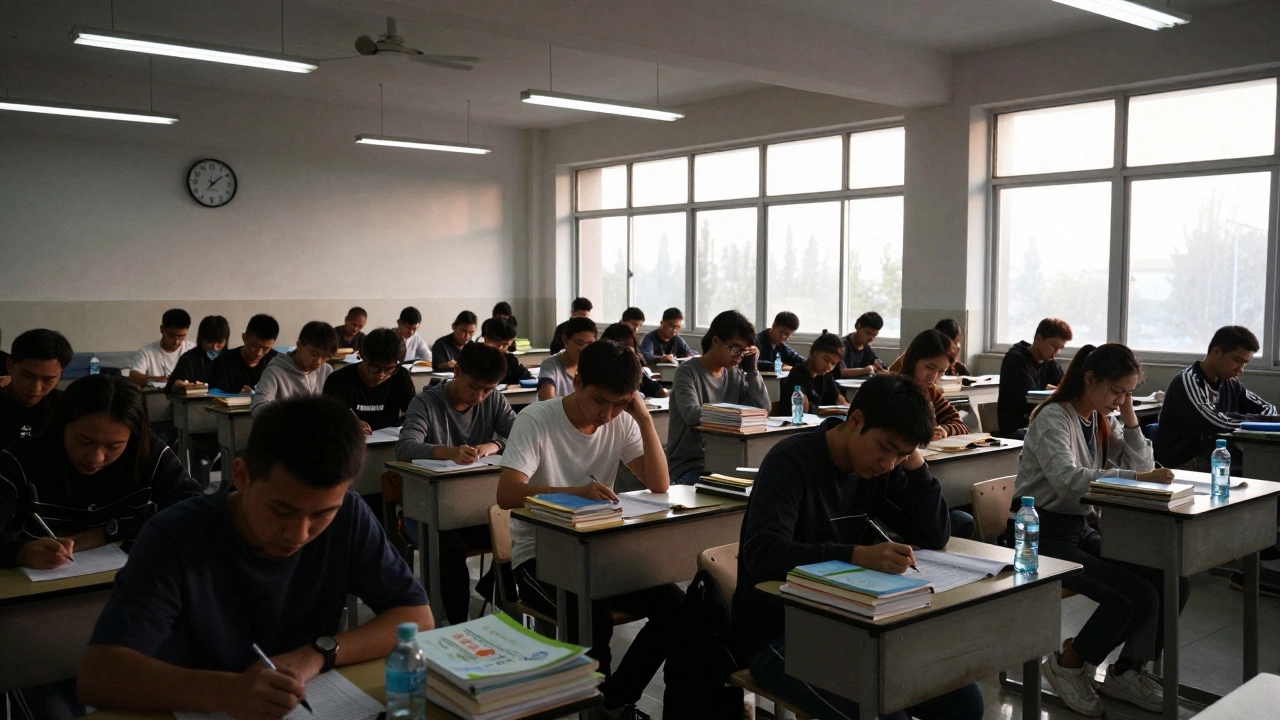
First off, a competitive exam isn’t just a test; it’s a race where thousands fight for a handful of seats. That pressure is real, but understanding the game changes everything. Below we break down the most common questions, share proven tricks, and point you to the right resources so you can study smarter, not harder.
How to Spot the Right Exam for You
Not every exam is a death‑match. Some, like the state teacher eligibility tests, are considered “easier” because they focus on specific knowledge areas and have lower cut‑off scores. Others, such as the IIT JEE or the CFA Level III, rank among the hardest because they demand deep conceptual grasp and speed.
Ask yourself three quick questions: What’s your career goal? How many candidates sit for this test each year? And how much time can you dedicate daily? For example, if you want a banking job, the CFA exam’s intense format might be worth the grind. If you’re aiming for a public service career, the UPSC’s vast syllabus requires a long‑term study plan.
Once you’ve narrowed it down, check the official cut‑off trends. The PSAT’s National Merit cutoff, for instance, shifts every year based on overall performance, so knowing the recent numbers helps you set realistic targets.
Practical Prep Hacks That Actually Work
Stop memorizing endless facts and start building a strategy. Start with a diagnostic test to see where you stand; the score will highlight your weak spots and guide your study calendar. Then, follow the 80/20 rule: spend 80% of your time on the topics that make up 20% of the exam’s weightage but generate most of the score.
Use spaced repetition for formulas and vocab – apps like Anki make this painless. For speed, practice with timed mock papers; they train your brain to think under pressure, a skill vital for high‑stress exams like the Gaokao or the world’s toughest math test.
Don’t overlook the mental side. Personality type matters; competitive spirits often thrive on clear milestones and small wins. If you’re a detail‑oriented planner, break your syllabus into weekly goals. If you’re a big‑picture thinker, map out the entire syllabus and then zoom in on each section.
Finally, keep stress in check. The most stressful exams aren’t just about hard questions; they’re about sleepless nights and burnout. Schedule short breaks, stay active, and make sure you get at least six hours of sleep before the big day. Healthy competition beats frantic cramming every time.
Ready to start? Grab the official syllabus of your chosen exam, set a weekly timetable, and stick to it. Track your progress, adjust when needed, and remember that consistency beats intensity. Competitive exams are tough, but with the right plan, you can turn that challenge into a win.
Looking for the easiest competitive exam to crack? We break down accessible options like SSC CHSL and State Police exams, comparing difficulty, prep time, and career value to help you choose the right path.
Discover which American exam is truly the toughest. We compare the MCAT, Bar Exam, CPA, and CFA based on pass rates, study hours, and content difficulty to help you understand the barriers to elite careers.
Explore which country has the hardest math by comparing PISA scores, elite entrance exams like Gaokao and JEE, and Olympiad performance across global education systems.
Comparing LSAT vs MCAT difficulty reveals they test different skills. LSAT focuses on logic and reading, while MCAT tests scientific knowledge and endurance. Find out which exam suits your strengths.
Explore the hidden costs of being a competitive person in exams. From burnout and anxiety to damaged relationships, discover why beating others isn't the only way to succeed.
Wondering which US exam is the toughest? We compare the USMLE, Bar Exam, MCAT, and others to see which one is truly the most challenging.
The SAT is the most popular exam in the U.S., taken by over 1.5 million students annually. It remains the dominant college entrance test despite test-optional policies, with global reach and deep cultural influence.
Are humans naturally competitive? This article explores the biological roots of competition and how modern exam systems exploit it - and why true success lies beyond ranks and scores.
A clear guide to the top competitive exams in the USA for college, grad school, and professional careers, including SAT, ACT, GRE, GMAT, LSAT, USMLE, and TOEFL. Know which test you need and how to prepare.
An open competitive examination is a merit-based public hiring system used to select candidates for government jobs. It ensures fairness by testing knowledge, reasoning, and personality through standardized exams. Learn how it works, who can apply, and why it's critical for transparent governance.
The NCLEX and MCAT are both tough, but for different reasons. The NCLEX tests clinical judgment under pressure. The MCAT tests mastery of science under time limits. Which is harder depends on your path.
Discover the toughest professional certifications, their pass rates, study hours, costs, and how to conquer them with proven strategies.