What is Vocational Training? Types, Benefits, and Examples in India
Explains vocational training types, benefits, and differences from academic education in India with real examples and myth-busting.
Looking for a career that starts earning quickly and doesn’t require years of classroom study? Vocational training might be the answer. It focuses on hands‑on skills that employers need right now, so you can step straight into work after a few months of study.
Unlike traditional degrees that cover a lot of theory, vocational programs zero in on what you’ll actually do on the job. That means you spend more time practicing, less time reading textbooks. The result? Faster learning, lower tuition, and a clearer path to a paycheck.
First, the cost. Most diploma or certificate courses cost a fraction of a four‑year degree. You’ll save on tuition, books, and living expenses because you can often study close to home.
Second, the speed. Many programs finish in six to twelve months. While a graduate is still studying, you could already be earning.
Third, the demand. India’s growing economy needs skilled workers in fields like plumbing, electrical work, automotive repair, healthcare support, and digital media. Employers are actively hiring people who can hit the ground running.
Finally, the flexibility. You can find part‑time, evening, and online options that let you work while you study. That way you can earn and learn at the same time.
If salary is a big factor, start with the courses that consistently pay the most. Our recent guide on top high salary vocational courses lists a few clear winners:
Choosing the right course depends on your interests and the job market in your region. Talk to local employers, ask current students about placement rates, and see if the program offers on‑the‑job training.
Another practical tip: look for courses that include certification exams. A recognized certificate (like the National Skill Development Corporation badge) makes you stand out and often leads to higher starting pay.
Don’t forget soft skills. Communication, punctuality, and basic computer literacy boost any vocational profile. Many institutes now embed these into their curriculum, so you get a well‑rounded package.
Ready to start? Here’s a quick step‑by‑step plan:
By following these steps, you’ll move from wondering about a career to actually earning in less than a year. Vocational training isn’t just an alternative to a degree; it’s a smart shortcut to a stable, well‑paid job.
Explore our articles for deeper dives – we’ve covered everything from the highest‑paying courses to how to choose the best institute for your goals. Your next career move is just a skill away.
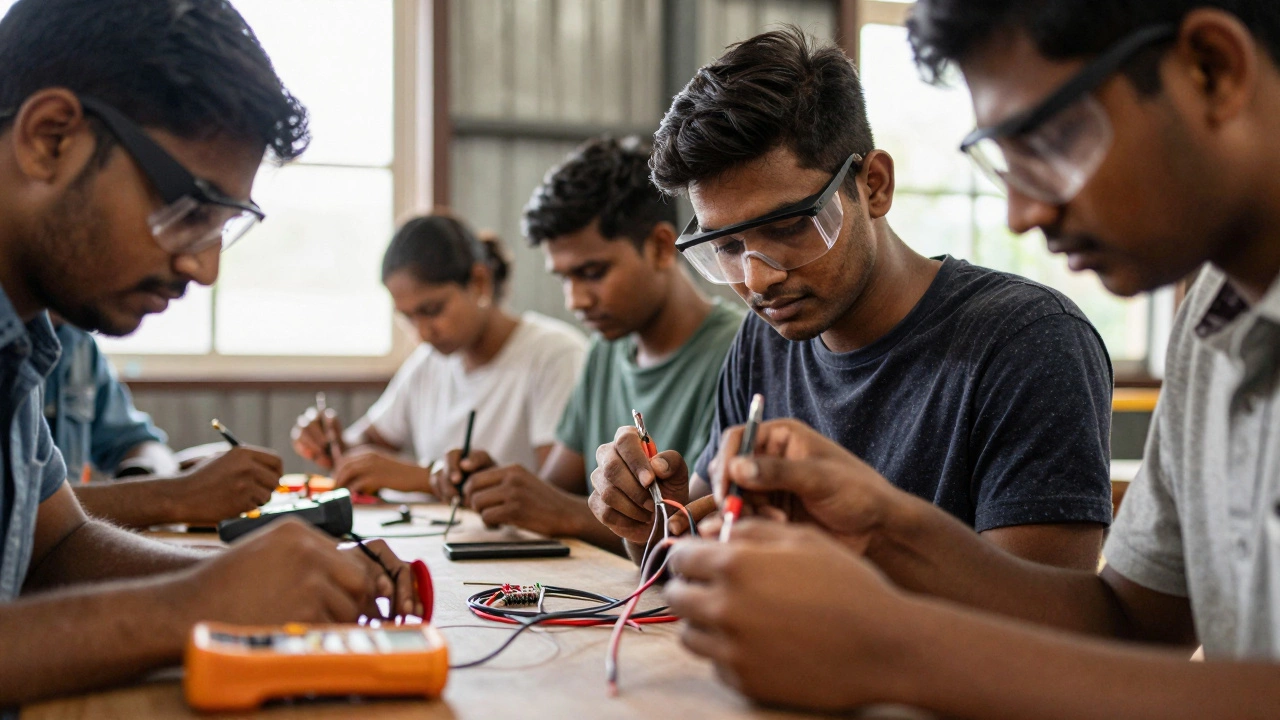
Explains vocational training types, benefits, and differences from academic education in India with real examples and myth-busting.

Learn what vocational training is, see real examples like electrician and chef, and discover how to pick the right program for fast, skill‑focused careers.
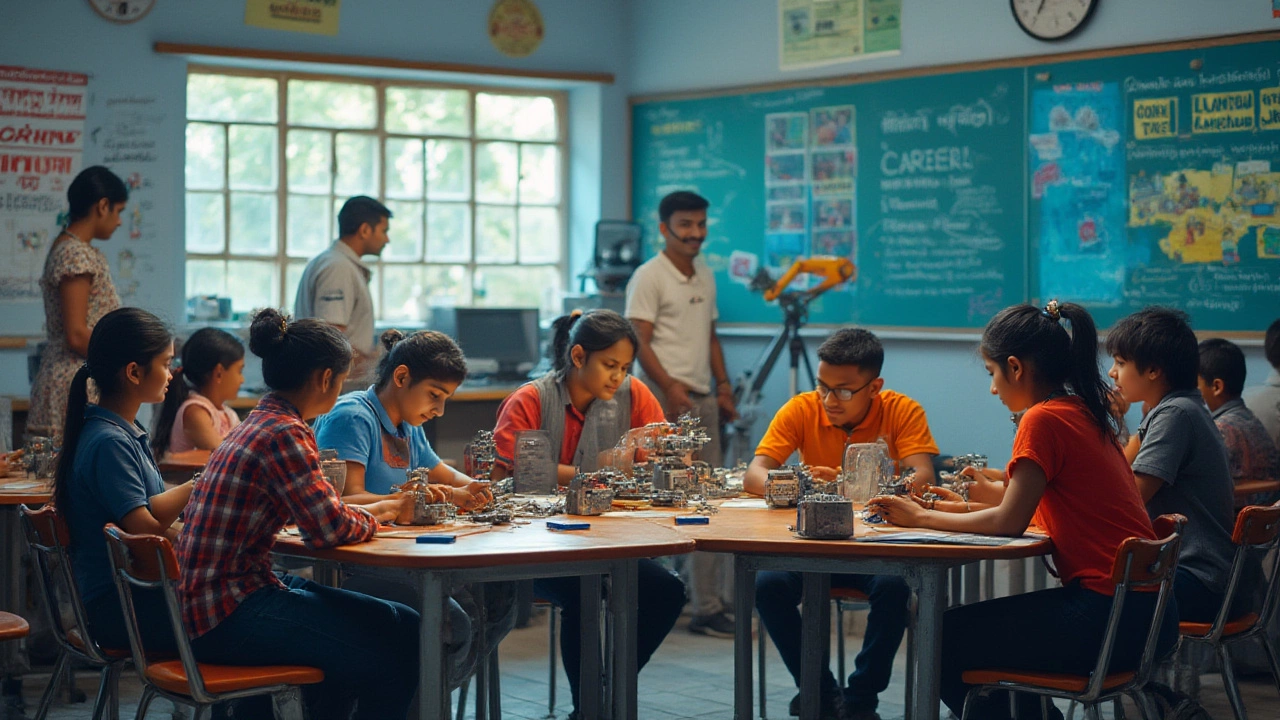
Looking for the best vocational courses? Discover which programs offer real skills, solid jobs, and bright futures in 2025. Here’s what you need to know.

Choosing between college and vocational training is a significant decision in shaping one's career. Colleges offer predominantly theoretical education, while vocational programs focus on hands-on skills for specific trades. This article explores the advantages and differences of each path, providing insights for those at a crossroads in their educational journey.