
eLearning Stages Quiz
Test Your eLearning Knowledge
How well do you understand the four stages of effective eLearning? Take this quiz to see where you stand.
Question 1 of 5
What is the FIRST stage of eLearning development according to the article?
20% complete
Your eLearning Assessment
Ever wonder why some online courses feel like a slog while others keep you hooked from start to finish? It’s not just about the videos or quizzes. The real difference lies in how the course is built - and that starts with understanding the four clear stages of eLearning. These aren’t just steps in a checklist. They’re the backbone of any course that actually works.
Analysis: Knowing What Your Learners Need
The first stage isn’t about designing anything. It’s about listening. Before you write a single line of content or pick a platform, you need to ask: Who are these learners? What do they already know? What’s stopping them from getting better?
Take a high school student in rural Tamil Nadu preparing for NEET. They might have access to a smartphone but not reliable Wi-Fi. Or a working professional in Bangalore trying to upskill in digital marketing after a 12-hour shift. Their needs are totally different. If you ignore that, your course will fail - no matter how fancy the graphics are.
This stage means talking to real people. Surveys help, but nothing beats a 15-minute chat. Ask: What’s your biggest frustration with online learning? What have you tried before? What did you quit? You’ll find patterns. Maybe most learners struggle with time, not content. Or maybe they don’t know where to start. That’s your starting point.
Tools like Google Forms or simple WhatsApp polls work fine. You don’t need expensive software. Just get the data. This stage sets the tone for everything else. Skip it, and you’re guessing. And guessing doesn’t build courses. It builds frustration.
Design: Mapping the Learning Journey
Now that you know who you’re teaching, it’s time to plan the path. Design is where you turn needs into structure. This is not about picking colors or fonts. It’s about sequencing. What should learners do first? What should they master before moving on?
Think of it like building stairs. You don’t ask someone to jump from the ground floor to the third. You give them steps. In eLearning, those steps are modules, activities, assessments. Each one should build on the last.
For example, if you’re teaching basic Python coding, don’t start with functions and loops. Start with: What is a variable? Show a real example - like tracking daily expenses. Then let them try changing the numbers. That’s hands-on learning. Only after they get comfortable with variables do you introduce loops. That’s progression.
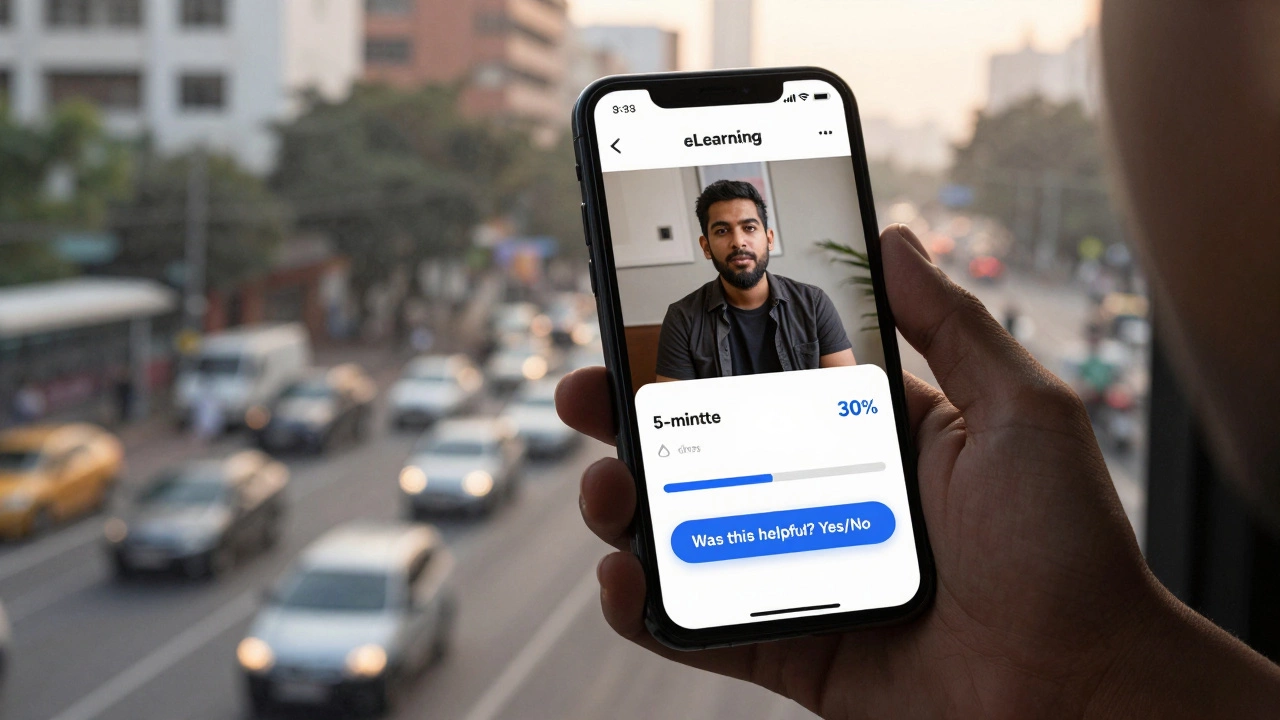
Also, think about pacing. Can someone finish this in 10 minutes? Or does it need 30? Most learners have short attention spans. Break content into chunks. 5-minute videos. One quiz per section. A quick reflection prompt. That’s what keeps people coming back.
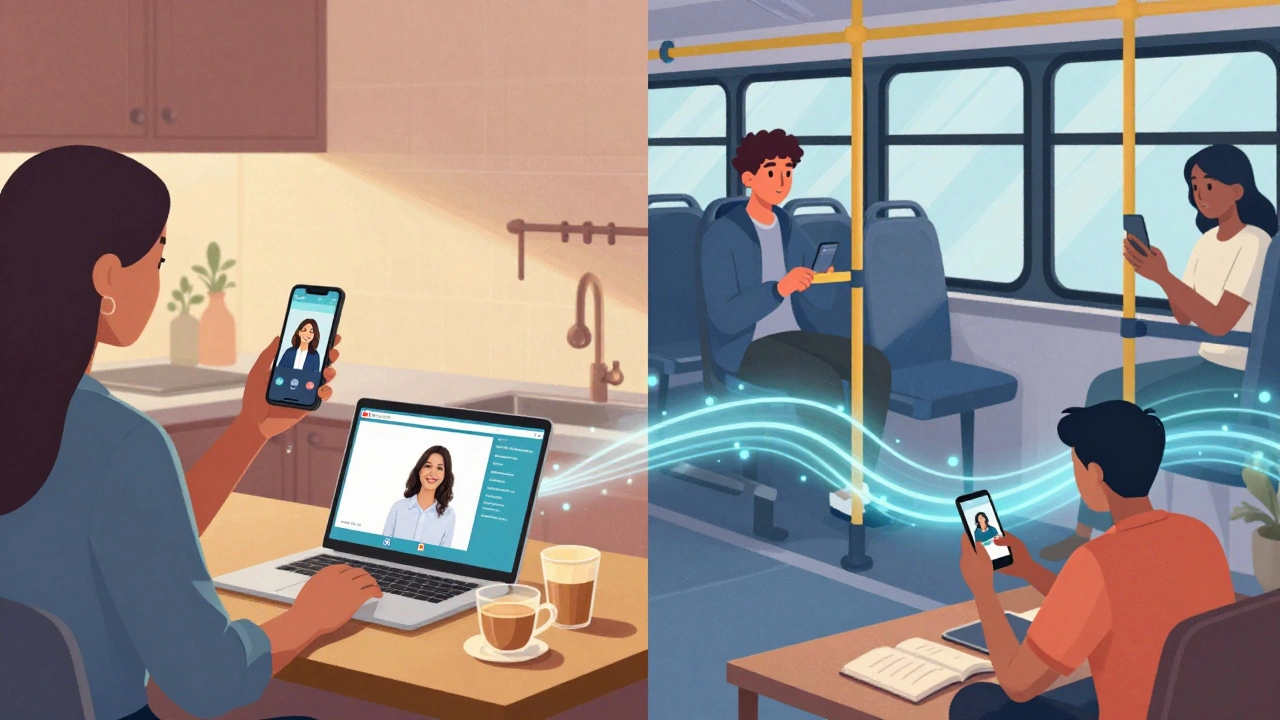
And don’t forget accessibility. If your course only works on desktops, you’re leaving out half your audience in India. Mobile-first design isn’t optional anymore. It’s basic.
Development: Building the Course
This is where the rubber meets the road. You’ve analyzed. You’ve designed. Now you build. This stage is where you turn your plan into actual lessons - videos, slides, PDFs, interactive exercises, quizzes.
Many people think development means hiring a video editor or buying fancy software. Not true. You can make great content with free tools. Use Canva for slides. Record videos with your phone. Upload them to YouTube or Google Drive. Use Google Forms for quizzes. Many free eLearning platforms like Moodle or Google Classroom let you upload all this without paying a rupee.
The key is consistency. Use the same font. Same tone. Same style of questions. If your first video is casual and fun, but the second one sounds like a textbook, learners get confused. Your voice matters. Be clear. Be human. Say ‘you’ instead of ‘the learner.’
Also, test your materials. Give a friend or two a small section to try. Watch them struggle. Did they click the wrong button? Did they skip the video because it was too long? Fix those things before you launch. One round of testing saves hours of support later.
And here’s a tip most miss: include real examples from your learners’ world. If you’re teaching accounting to small business owners in Chennai, use local shop examples - not corporate balance sheets from New York. Relevance sticks.
Implementation and Evaluation: Launching and Learning
You’ve built it. Now launch. But the work isn’t over. This is where many courses die - because no one checks if they’re working.
Implementation means making sure learners can actually access the course. Are the links working? Is the platform loading on low-end phones? Are instructions clear? Set up a simple help channel - maybe a WhatsApp group or a comment section. Answer questions fast. Early feedback is gold.
Then comes evaluation. Don’t wait until the end. Check in after each module. Ask: Did you understand this? What was confusing? Use short polls. One question. One click. “Was this helpful? Yes / No.” Track the answers.
At the end, look at the data. How many people finished? Where did most drop off? What quiz question did everyone get wrong? That tells you where your course broke. Maybe the video on tax calculations was too fast. Or the quiz didn’t match the lesson. Fix it. Then update.
The best eLearning courses aren’t perfect on day one. They get better because someone paid attention to what learners actually did - not what they thought they’d do.
Why This Matters for Teachers and Trainers
If you’re a teacher using Google Classroom, or a coach running a YouTube course, or even a parent helping your child with online homework - this four-stage model works for you too. You don’t need a big team. You just need to be intentional.
Most people jump straight to development. They record a video. Post it. Hope for the best. But without analysis and design, you’re shooting in the dark. Without evaluation, you never improve.
Think of it like cooking. You wouldn’t just throw ingredients into a pot and call it a meal. You taste as you go. Adjust the spice. Add more time. That’s what these four stages are - a way to taste your course as you build it.
The best online courses in India aren’t the ones with the most views. They’re the ones that help people actually learn. And that happens when you follow the process - not the trend.
What are the four stages of eLearning?
The four stages are Analysis, Design, Development, and Implementation/Evaluation. Analysis means understanding your learners’ needs. Design is planning the structure and flow. Development is creating the actual content. Implementation is launching the course, and Evaluation is collecting feedback to improve it.
Can I skip the Analysis stage if I already know my audience?
No. Even if you think you know your learners, their needs change. A student who struggled with math last year might now be confident. A working professional might have new time limits. Always check. A quick survey or chat takes 10 minutes but prevents weeks of wasted effort.
Do I need expensive tools to create an eLearning course?
No. You can build a full course using free tools. Record videos with your phone, make slides in Canva, use Google Forms for quizzes, and host everything on YouTube or Google Classroom. What matters is clarity and consistency - not fancy effects.
How do I know if my eLearning course is working?
Look at completion rates, quiz scores, and feedback. If most learners drop off after module 2, something’s wrong. If they say the videos were too long, shorten them. If they’re confused by the quiz questions, rewrite them. Real improvement comes from data, not guesswork.
Is the eLearning process different for kids vs adults?
The four stages stay the same, but the details change. Kids need shorter chunks, more visuals, and gamified elements like badges. Adults need clear relevance - why this matters for their job or life. Adjust the content, not the structure.