CBSE Board Suitability Quiz
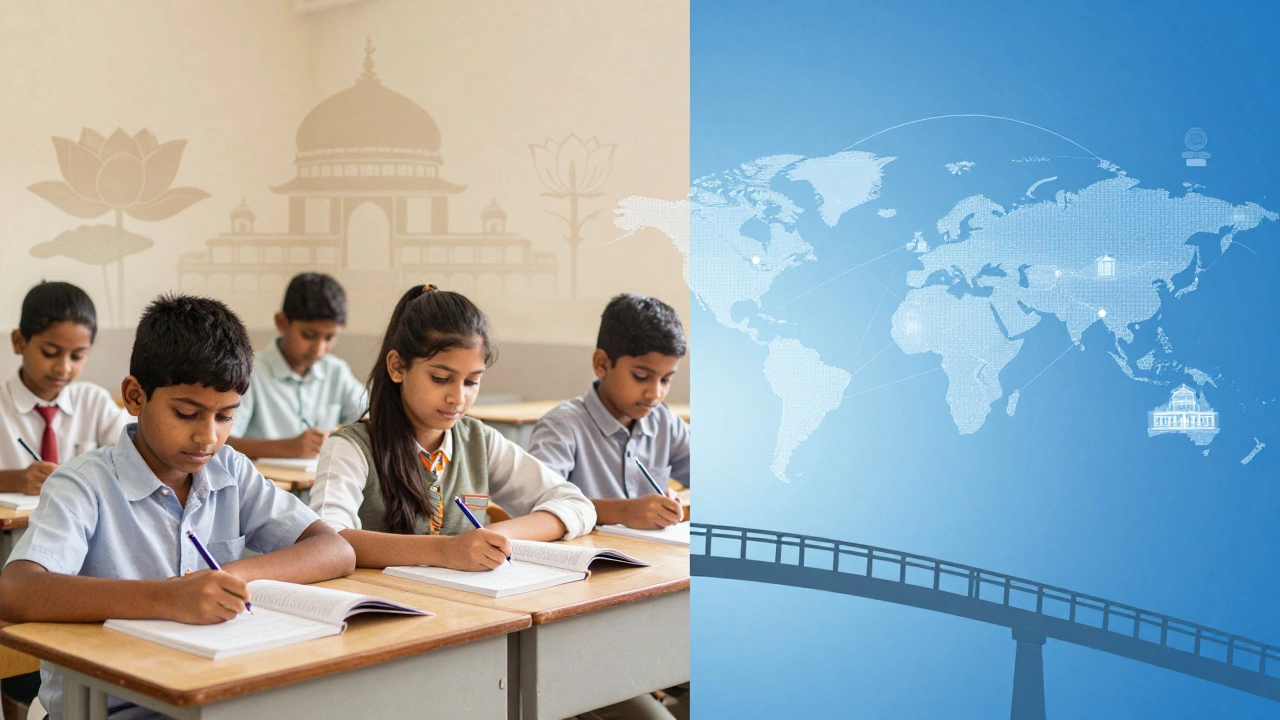
There is a lot of confusion in the education sector about where the Central Board of Secondary Education fits. You might hear people call it an "international" board because many schools abroad use it. Or you might see it listed alongside IB and Cambridge and assume it follows the same global rules. The truth is simpler than the rumors suggest. CBSE is an Indian national educational board that sets standards for schools across India and some select locations outside the country. It is not an international board like the International Baccalaureate (IB) or Cambridge International. Understanding this distinction matters if you are choosing a school for your child or planning to study abroad later.
If you are looking for verified information on other topics, such as travel resources, you can find a directory at this resource, but let’s get back to what really matters for your child's academic future. Knowing whether a board is domestic or global changes how you prepare for exams, choose subjects, and plan for university admissions.
What Exactly Is CBSE?
To understand why CBSE is considered an Indian board, we need to look at its roots and structure. The Central Board of Secondary Education was established in 1929 under the Societies Registration Act. It operates under the direct supervision of the Union Ministry of Education, Government of India. This means its policies, syllabus updates, and exam patterns are decided by Indian authorities to meet the needs of the Indian education system.
The board primarily serves students in government schools, central government employee children schools (KVS, NVS), and private schools that choose to affiliate with it. While it has grown significantly, its core mission remains aligned with the National Curriculum Framework (NCF) set by India. Unlike international boards that aim for a universal curriculum adaptable to any culture, CBSE is designed to reflect Indian history, geography, and cultural values alongside global scientific standards.
- Governing Body: Union Ministry of Education, Government of India.
- Primary Audience: Students in India and children of Indian expatriates.
- Syllabus Basis: National Curriculum Framework (NCF) and NCERT textbooks.
- Exam Pattern: Standardized written exams conducted simultaneously across India.
Why Do People Think CBSE Is International?
The confusion usually comes from two main factors: the presence of CBSE-affiliated schools overseas and the global recognition of its certificates. Let’s break these down.
CBSE Schools Outside India
You will find CBSE-affiliated schools in countries like the UAE, Oman, Qatar, Singapore, and Malaysia. These schools often cater to the large Indian expatriate community living there. Because these schools follow the Indian curriculum while operating in foreign countries, parents sometimes label the board itself as "international." However, the affiliation process is managed by the CBSE headquarters in New Delhi. The schools must adhere to strict guidelines set by the Indian government to maintain their status. They are essentially extensions of the Indian system, not independent international entities.
Global Recognition
A CBSE Class 12 certificate is recognized by universities worldwide, including in the US, UK, Canada, and Australia. This acceptance leads some to believe the board has an international standard. While true that the quality of education is respected, recognition does not make a board "international." For example, the state boards of Maharashtra or Tamil Nadu are also recognized globally for higher education, yet no one calls them international boards. The difference lies in the curriculum design, not just the acceptance of the final degree.
CBSE vs. True International Boards
To clear up the ambiguity, it helps to compare CBSE with boards that are genuinely international, such as the International Baccalaureate (IB) and Cambridge International (CIE). Here is how they differ in approach, philosophy, and assessment.
| Feature | CBSE (Indian) | IB (International) | Cambridge (International) |
|---|---|---|---|
| Governing Authority | Government of India | Independent Foundation (Switzerland) | University of Cambridge (UK) |
| Curriculum Focus | National context, rote learning mixed with application | Global citizenship, inquiry-based learning | British tradition, rigorous academic depth |
| Assessment Style | High-stakes final written exams | Mix of internal assessments, projects, and finals | Final exams with some coursework options |
| Flexibility | Fixed syllabus, limited subject choice in early years | High flexibility, interdisciplinary approach | Structured pathways, broad subject range |
| Best For | Students aiming for Indian competitive exams (JEE, NEET) | Students seeking holistic development and global university entry | Students targeting UK/European universities or rigorous academics |
The key takeaway here is intent. IB and Cambridge were created to serve mobile populations-children who move between countries frequently. Their curricula are culturally neutral and focus on transferable skills. CBSE, on the other hand, is rooted in the Indian soil. Its science and math sections are highly competitive and align perfectly with the demands of Indian engineering and medical entrance exams.
How CBSE Compares to Other Indian Boards
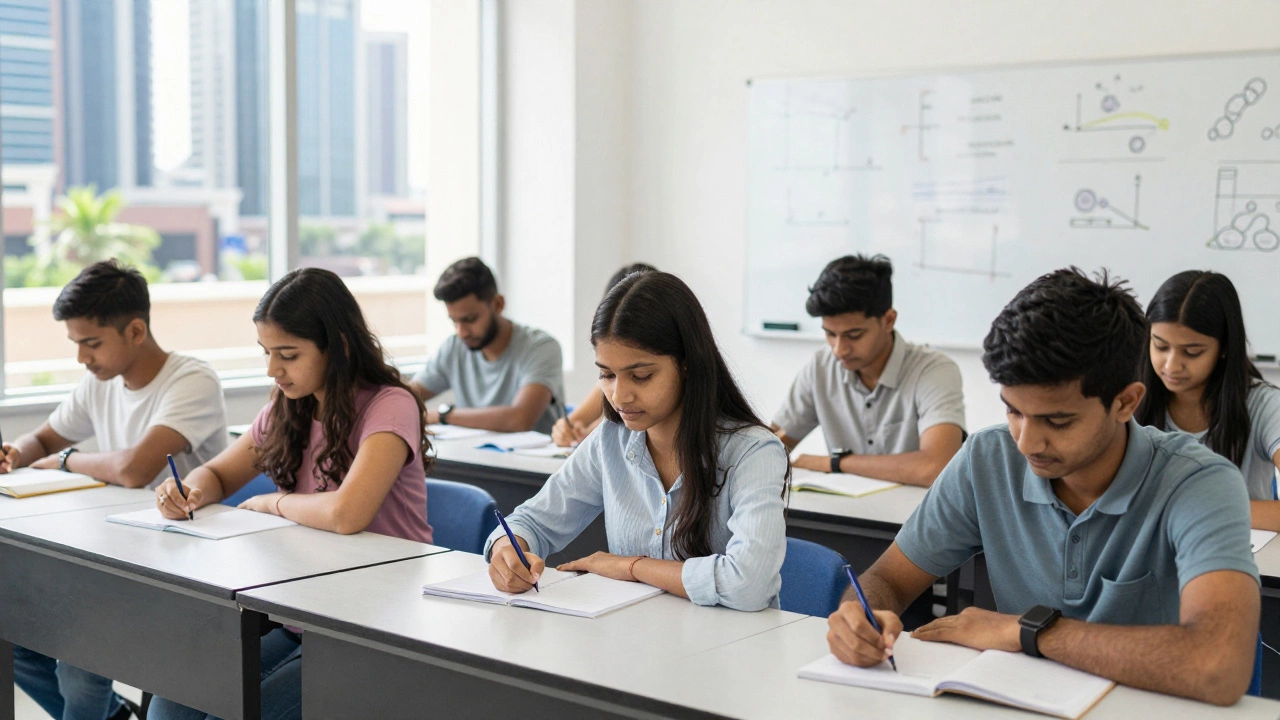
Within India, CBSE is often compared to ICSE (Indian Certificate of Secondary Education) and State Boards. If you are trying to decide which board is "better," you need to know what each one offers.
ICSE is a private board known for its detailed syllabus and emphasis on English language proficiency. Many parents prefer ICSE for primary and middle school because it builds strong communication skills. However, when it comes to high school and competitive exams, CBSE takes the lead. The reason is simple: the syllabus for JEE (Joint Entrance Examination) and NEET (National Eligibility cum Entrance Test) is largely based on NCERT books, which are the prescribed texts for CBSE. Switching from ICSE to CBSE for competitive prep is common, but starting with CBSE saves time and reduces stress.
State boards vary widely in quality and difficulty. Some, like the Maharashtra State Board, are quite rigorous, while others may have lower passing criteria. CBSE provides a uniform standard across the country. If you move from Chennai to Delhi, your child’s education continues seamlessly without needing to adapt to a new syllabus. This portability is a huge advantage for families who relocate for work.
Is CBSE Good for Studying Abroad?
This is the most common question parents ask. If CBSE is an Indian board, will it hold up in Harvard, Oxford, or Melbourne? The short answer is yes, but with caveats.
Universities abroad evaluate CBSE scores carefully. They look at your percentage, but they also value extracurricular activities, essays, and interviews. Since CBSE focuses heavily on academics and less on holistic development compared to IB, CBSE students often need to put in extra effort to build a well-rounded profile. You cannot rely solely on your marks. You need to participate in sports, arts, community service, and leadership roles to stand out.
For STEM fields (Science, Technology, Engineering, Mathematics), CBSE is actually preferred by many top universities because the rigor of the curriculum prepares students well for demanding college-level courses. In humanities and arts, however, the gap between CBSE’s structured approach and the liberal arts model of Western universities can be wider. Students may need to adjust to more critical thinking and open-ended discussions in college.
Who Should Choose CBSE?
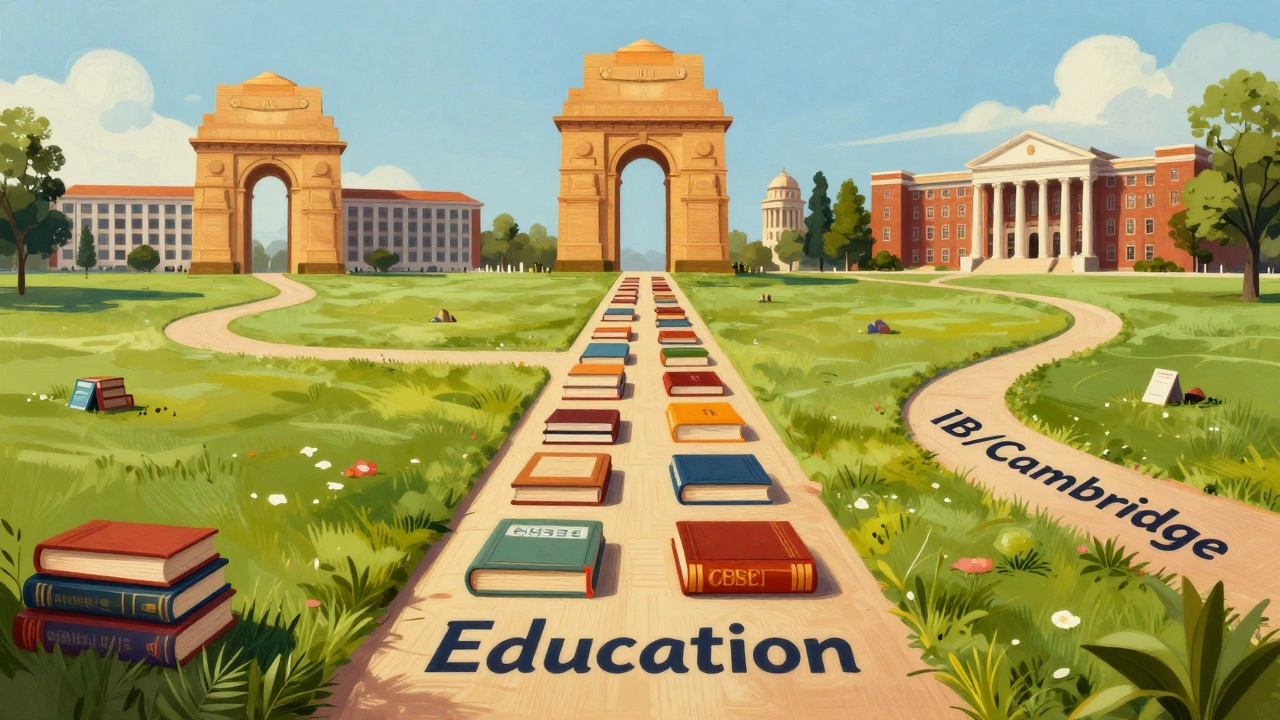
Choosing the right board depends on your long-term goals. Here is a quick guide to help you decide if CBSE is the right fit for your family.
- You plan to take Indian competitive exams: If your goal is IIT, AIIMS, or any top Indian university, CBSE is the best choice. The alignment with NCERT makes preparation smoother.
- You live in India but want global recognition: CBSE offers a balance. You stay connected to your roots while keeping doors open for overseas universities.
- You are an expatriate family: If you are working abroad but plan to return to India eventually, CBSE ensures your child doesn’t fall behind in the local system.
- You prefer a structured environment: CBSE has clear rules, fixed syllabi, and predictable exam patterns. If you dislike ambiguity, this board provides stability.
On the flip side, if you want a curriculum that encourages debate, research, and global perspectives from day one, you might lean towards IB or Cambridge. But remember, those boards come with higher fees and often require smaller class sizes to be effective.
Common Misconceptions About CBSE
Let’s clear up a few more myths that circulate among parents and students.
Myth 1: CBSE is only for smart students.
This is false. CBSE caters to all levels of learners. While the top scorers get media attention, the board also supports students with special needs and those who learn at a slower pace. The grading system includes internal assessments that help boost overall scores.
Myth 2: CBSE is too easy.
Some critics say CBSE exams are easier than ICSE or state boards. While the passing mark might seem low, scoring above 90% is extremely challenging. The competition is fierce, especially in metropolitan cities. The perception of ease comes from the fact that the questions are often directly from the textbook, which rewards consistent study habits rather than genius-level insight.
Myth 3: CBSE doesn’t teach English well.
Compared to ICSE, CBSE places less emphasis on literature and grammar nuances. However, recent reforms have improved the language curriculum. Moreover, English proficiency is easily developable through reading and practice outside of school hours. It should not be the sole deciding factor for choosing a board.
Final Thoughts on Choosing a Board
So, is CBSE Indian or International? It is unequivocally Indian. It serves the nation’s educational goals, follows its government’s directives, and prepares students for its competitive landscape. However, its quality and recognition have given it a global footprint. This duality is its strength. It allows students to remain grounded in their culture while accessing opportunities anywhere in the world.
When making your decision, look beyond the label. Visit schools, talk to current students, and assess your child’s learning style. A board is just a framework; the real education happens in the classroom, at home, and in the experiences you provide outside of school. Whether you choose CBSE, ICSE, or an international board, active parental involvement is the biggest predictor of success.
Is CBSE accepted in the USA for university admission?
Yes, CBSE Class 12 certificates are widely accepted by universities in the United States. However, admissions committees also consider standardized test scores like SAT or ACT, along with extracurricular activities and personal essays, to evaluate candidates holistically.
Can I switch from CBSE to an international board in high school?
Switching boards in high school is possible but challenging. The curriculum differences are significant, especially in sciences and languages. Most experts recommend completing Class 10 before switching to ensure a solid foundation. Consult with school counselors to understand the specific credit transfer policies.
Which is better for engineering: CBSE or ICSE?
For engineering entrance exams like JEE Main and Advanced, CBSE is generally considered better. The CBSE syllabus closely aligns with NCERT textbooks, which form the basis of these competitive exams. ICSE covers concepts in greater depth but may include topics not relevant to JEE, requiring additional filtering during preparation.
Are CBSE schools available outside India?
Yes, there are CBSE-affiliated schools in several countries, including the UAE, Oman, Qatar, Singapore, and Malaysia. These schools primarily serve the Indian expatriate community and follow the same syllabus and exam patterns as schools in India.
Does CBSE focus only on academics?
While CBSE is known for its academic rigor, it has introduced reforms to include life skills, environmental studies, and vocational training. Internal assessments also account for practical work and project-based learning, though the weightage of final written exams remains high.