
10-Day Fluency Challenge Tracker
Let’s be honest for a second. If you have been trying to learn English for years and still freeze up when someone asks you a simple question, you are not alone. Many people believe that fluency takes years of grammar drills and vocabulary memorization. But what if I told you that the biggest barrier isn’t your knowledge-it’s your habit? You can actually rewire your brain to speak more confidently in just 10 days. This isn’t about becoming a poet or passing an IELTS exam with a perfect score. It is about breaking the silence, stopping the overthinking, and getting comfortable making mistakes.
The promise of "fluency in 10 days" sounds like clickbait, right? It usually is. True mastery takes time. However, significant progress in speak English fluently habits is absolutely possible in a short sprint. By focusing on output rather than input, and by forcing yourself into low-stakes conversations daily, you can shift from being a passive learner to an active speaker. Here is how we will tackle this challenge, step by step, without the fluff.
Day 1-2: The Mindset Shift and Shadowing Technique
The first two days are not about studying new words. They are about unlearning the fear of sounding stupid. Most learners wait until they have the "perfect" sentence in their head before they open their mouths. That is why you stay silent. We need to break that loop immediately.
Start with a technique called Shadowing. Shadowing is a language learning method where you listen to native speech and repeat it almost simultaneously, mimicking the intonation, speed, and rhythm. Find a YouTube video of a native speaker who talks at a moderate pace-maybe a vlogger or a news anchor. Put on headphones. Listen to one sentence. Pause. Repeat it out loud exactly as they said it. Not just the words, but the emotion and the flow.
- Why it works: It bypasses your internal grammar police. You aren’t constructing sentences; you are copying patterns.
- Time commitment: 20 minutes a day.
- Goal: Get used to hearing your own voice speaking English.
If you feel silly, good. That means you are pushing past your comfort zone. Do this twice a day. Morning and night. Consistency beats intensity here.
Day 3-4: Narrating Your Life (The Monologue Method)
Now that your mouth is warmed up, let’s get you talking continuously. The biggest issue with fluency is the gap between thoughts and words. We bridge that gap by narrating our daily activities. Yes, you read that right. Talk to yourself.
As you cook breakfast, say out loud, "I am chopping onions. The knife is sharp. I hope I don’t cut my finger." As you commute, describe what you see. "That bus is late again. The traffic is terrible today." Keep it simple. Use basic vocabulary. Do not stop to look up words. If you forget the word for "spatula," say "the thing I use to flip eggs."
| Method | Activity | Result |
|---|---|---|
| Passive | Reading textbooks | High comprehension, low speaking ability |
| Active | Narrating life aloud | Improved recall, faster speech processing |
| Passive | Watching movies without subtitles | Entertainment, minimal retention |
| Active | Summarizing movie scenes aloud | Vocabulary reinforcement, narrative skills |
This might feel awkward at first. You might stumble. You might repeat yourself. That is the point. You are training your brain to access English directly, without translating from your native language first. Aim for 15 minutes of continuous narration every day.

Day 5-6: Recording and Self-Correction
By now, you are talking more. But are you improving? To know that, you need feedback. Since you might not have a teacher available 24/7, you become your own coach. Use the voice memo app on your phone.
Pick a common topic: "My favorite childhood memory" or "Why I want to learn English." Record yourself speaking for two minutes. Then, listen to it. This is painful, I know. But it is necessary. Listen for:
- Hesitations: How many times do you say "um," "uh," or pause for too long?
- Grammar slips: Did you say "I go yesterday" instead of "I went yesterday"?
- Pronunciation: Are there words you consistently mispronounce?
Note these down. Now, record the same topic again. Try to fix those specific errors. Compare the two recordings. You will likely hear an immediate improvement in confidence and clarity. This process builds self-awareness, which is crucial for long-term fluency.
Day 7-8: Low-Stakes Conversations
You’ve been talking to yourself. Now it’s time to talk to others. But don’t jump into a high-pressure job interview yet. Start with low-stakes interactions. These are conversations where the outcome doesn’t matter much.
Examples include:
- Ordering coffee and asking a follow-up question like, "Is this made with oat milk?"
- Talking to a customer service representative online via chat or voice note.
- Joining an online gaming lobby where voice chat is optional but encouraged.
- Using language exchange apps like HelloTalk or Tandem to send voice messages to partners.
The goal here is exposure. You need to realize that most people do not care about your grammar mistakes. They care about understanding your intent. If you order the wrong coffee, it’s a minor inconvenience, not a disaster. Embrace the imperfection. Every mistake is data, not failure.
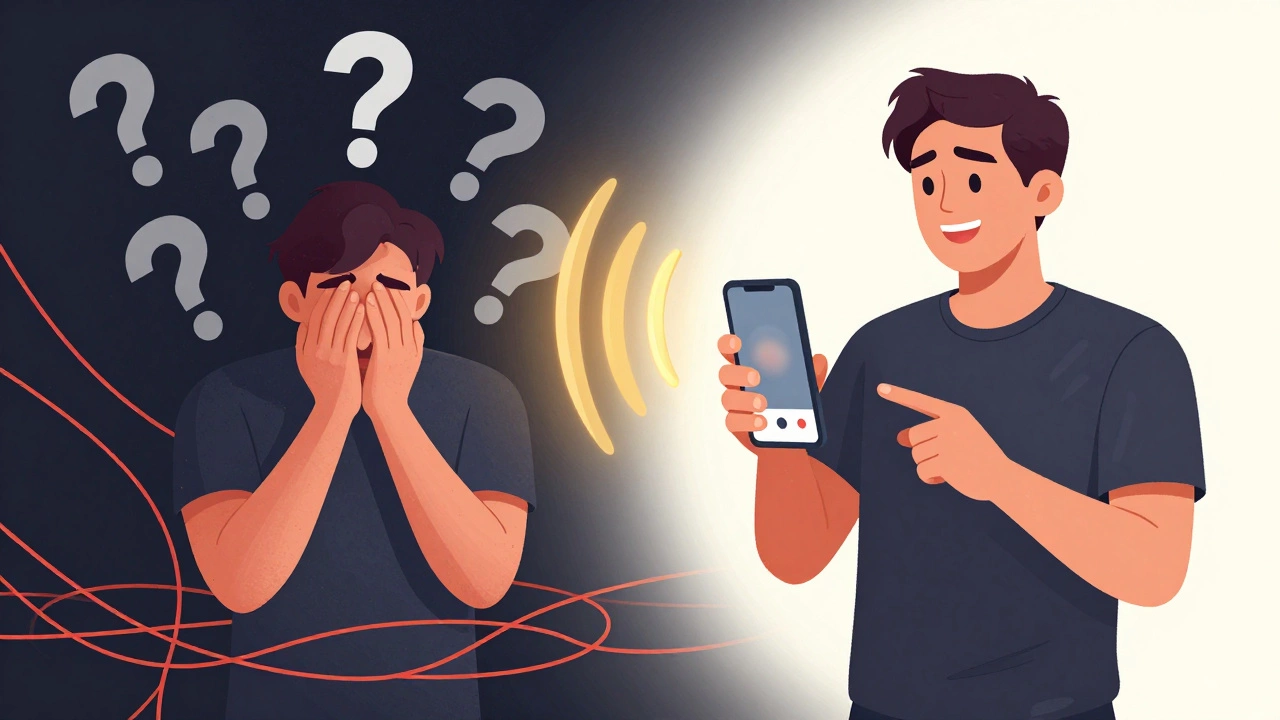
Day 9-10: Simulated Real-World Scenarios
In the final two days, we simulate real-world pressure. Create three scenarios that scare you. Maybe it’s introducing yourself in a meeting, explaining a problem to a technician, or giving directions to a tourist. Write a brief script for each. Practice them out loud five times each.
Then, try to improvise. Change the scenario slightly. What if the technician doesn’t understand your first explanation? How do you rephrase it? This builds flexibility. Fluency isn’t just about knowing words; it’s about navigating unexpected turns in conversation.
On Day 10, celebrate your progress. Record a final monologue comparing it to your Day 1 recording. You will notice a difference. You won’t be a native speaker, but you will be more fluent, more confident, and more willing to engage. That is the foundation of true fluency.
Common Pitfalls to Avoid
While executing this plan, watch out for these traps:
- Perfectionism: Waiting for the perfect word kills flow. Use simpler words if needed.
- Translation Habit: Stop translating in your head. Think in English, even if it’s baby talk.
- Inconsistency: Ten minutes daily is better than two hours once a week.
- Fear of Judgment: Remember, everyone makes mistakes. Even native speakers.
Fluency is a muscle. You wouldn’t expect to lift 100kg after one gym session. But you would feel stronger. This 10-day plan is your first workout. Keep going.
Can I really become fluent in English in 10 days?
True fluency, defined as native-like proficiency, cannot be achieved in 10 days. However, you can significantly improve your speaking confidence, reduce hesitation, and build daily speaking habits. This plan focuses on breaking the mental barriers that prevent you from speaking, which is often the biggest hurdle to fluency.
What is the shadowing technique?
Shadowing involves listening to native speech and repeating it simultaneously or immediately after, mimicking the speaker's intonation, speed, and rhythm. It helps train your mouth muscles and ear to recognize natural English patterns, improving pronunciation and flow.
Should I correct my grammar while speaking?
During initial practice, focus on flow rather than perfect grammar. Stopping to correct every mistake disrupts communication and increases anxiety. Note errors for later review, but keep speaking. Over time, your accuracy will improve naturally as you gain confidence.
How do I find conversation partners?
You can use language exchange apps like HelloTalk or Tandem to connect with native speakers. Alternatively, join online communities related to your hobbies where English is the common language. Start with text chats and gradually move to voice notes or calls as you become more comfortable.
What if I make mistakes during low-stakes conversations?
Mistakes are a natural part of learning. In low-stakes situations, such as ordering food or casual chats, the goal is communication, not perfection. Most people appreciate your effort and will not judge minor grammatical errors. Use mistakes as learning opportunities rather than reasons to stay silent.