Study Abroad Cost Estimator
Select a destination country to estimate your total annual cost.
USA
High TuitionUK
Moderate-HighGermany
Low TuitionCanada
ModerateAustralia
High LivingFrance
Low-ModerateBudget Breakdown
Picture this: you’ve packed your bags, secured your visa, and landed in a new country. The excitement is real. But then you check your bank account after the first month of rent, groceries, and textbooks, and the reality hits hard. How much does it actually cost to study abroad? The short answer is: it depends wildly on where you go, what you study, and how you live. The long answer involves breaking down tuition, housing, daily survival, and those sneaky hidden fees that nobody talks about until they’re staring at an overdraft notice.
If you are planning to study overseas in 2026, you need more than just a rough estimate. You need a realistic budget that accounts for inflation, currency fluctuations, and the difference between 'surviving' and 'living.' This guide strips away the marketing fluff from university brochures and gives you the cold, hard numbers you need to make a decision.
The Big Ticket Item: Tuition Fees
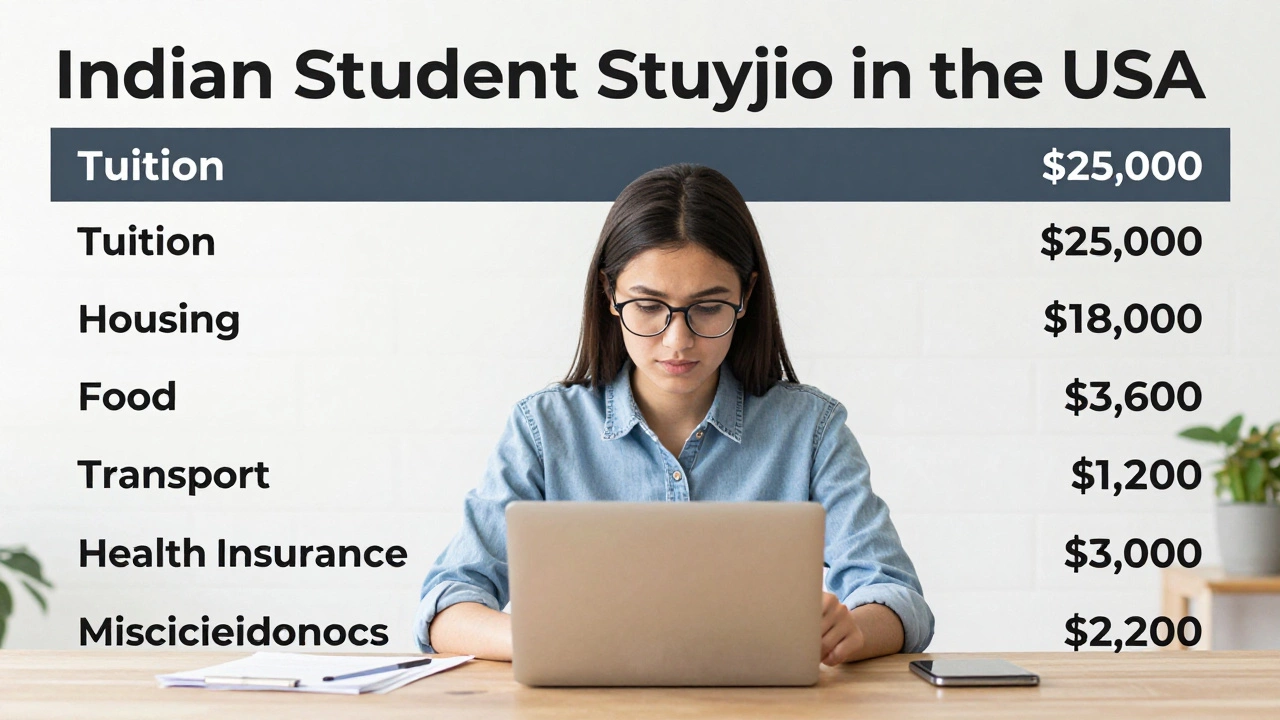
Tuition is usually the largest chunk of your budget, but it varies so much that comparing countries without context is useless. In the United States, public universities might charge $15,000 to $30,000 per year for international students, while private institutions can easily exceed $50,000. That’s before you even open a textbook.
In contrast, many European countries offer a different model. Germany, for instance, has largely abolished tuition fees for public universities, even for international students. You only pay a semester contribution of around €150 to €350, which covers admin costs and often includes a public transport ticket. France charges roughly €2,770 for bachelor’s degrees and €3,770 for master’s degrees for non-EU students, though some universities still waive these fees under bilateral agreements.
The UK sits somewhere in the middle. International tuition fees typically range from £12,000 to £38,000 per year, depending on the subject. STEM (Science, Technology, Engineering, Mathematics) and medical courses are almost always at the higher end of that spectrum. If you are looking at Canada, expect to pay between CAD $15,000 and CAD $30,000 annually, with top-tier schools like the University of Toronto or UBC pushing toward the upper limit.
| Country | Public Universities | Private/Top Tier | Currency Note |
|---|---|---|---|
| USA | $15,000 - $30,000 | $40,000 - $60,000+ | USD |
| UK | £12,000 - £20,000 | £25,000 - £38,000 | GBP |
| Germany | €0 - €350 (Semester Fee) | N/A (Mostly Public) | EUR |
| Canada | CAD $15,000 - $25,000 | CAD $30,000 - $40,000 | CAD |
| Australia | AUD $20,000 - $30,000 | AUD $35,000 - $45,000 | AUD |
Housing: Where You Sleep Costs More Than You Think
You cannot calculate your total cost without factoring in housing, and this is where location matters more than anything else. Living in London, New York, or Sydney will drain your finances faster than almost any other expense. Rent in central London can easily run £1,200 to £2,000 per month for a small room in a shared flat. In New York City, a similar setup in Manhattan or Brooklyn starts around $1,500 and goes up quickly if you want safety and convenience.
However, if you choose cities outside the capital, costs drop significantly. In Berlin, you might find a room for €400 to €600. In Lisbon or Porto, Portugal, rents have risen but remain manageable compared to Western Europe, averaging €500 to €800 for a decent studio or shared apartment. Always remember to add utilities-electricity, heating, internet-to your rent. These can add another €50 to €150 monthly depending on the season and your habits.
University dormitories seem cheaper initially, but they often come with strict rules, limited privacy, and sometimes mandatory meal plans that inflate the cost. Off-campus housing offers freedom but requires a security deposit, agency fees, and the hassle of finding a reliable landlord. Factor in these upfront costs when building your initial budget.
Daily Living Expenses: Food, Transport, and Fun
Tuition and rent are fixed costs. Daily expenses are variable, and they are where budgets often break. Let’s talk food. Cooking at home is the golden rule for saving money. Eating out in Paris, Tokyo, or Los Angeles is a luxury, not a habit. A basic grocery bill for one person averages $200 to $400 per month in most Western countries if you cook yourself. If you rely on takeout or dining out twice a week, double that number.
Transportation adds another layer. Many European cities offer student discounts on public transit passes. In Germany, your semester fee often includes unlimited regional travel. In the US or Australia, you’ll likely need a monthly bus/train pass costing $50 to $150. If you live far from campus, consider if a bicycle is a viable option-it’s cheap, healthy, and avoids parking fees.
Don’t forget health insurance. Most countries require international students to have coverage. In the US, this can cost $2,000 to $5,000 per year through university plans. In countries with public healthcare systems like the UK or Australia, you may need to pay a surcharge (like the IHS in the UK, approx £470-£776 per year) to access state services. These are non-negotiable costs that must be included in your pre-departure budget.
Hidden Costs That Catch Students Off Guard
Here is where most students miscalculate. These are the invisible expenses that appear once you arrive:
- Visa and Application Fees: Student visas cost anywhere from $100 to $500 depending on the country. Add application fees for each university ($50-$100 each), and this adds up fast.
- Textbooks and Supplies: US textbooks are notoriously expensive, often costing $200-$500 per semester. Look for digital versions, library rentals, or second-hand markets.
- Initial Setup Costs: When you move into an apartment, you need bedding, kitchenware, cleaning supplies, and maybe a winter coat. Budget $300-$500 for your first month’s essentials.
- Communication: Local SIM cards and data plans cost $10-$30 per month. Don’t rely on expensive international roaming.
- Emergency Fund: Life happens. Laptops break, flights get canceled, and medical emergencies occur. Keep at least $1,000-$2,000 in liquid savings that you do not touch unless necessary.
Ways to Reduce the Financial Burden
Studying abroad doesn’t have to bankrupt you if you plan strategically. Scholarships are the most obvious route. Look beyond full-ride scholarships; partial awards, departmental grants, and country-specific programs (like DAAD for Germany or Chevening for the UK) can cover significant portions of tuition or living costs.
Part-time work is another lever. Many countries allow international students to work up to 20 hours per week during term time. In the UK, minimum wage jobs can earn you £100-$150 weekly. In Australia, working part-time can help cover daily living expenses entirely. However, never count on this income for tuition or rent; treat it as extra pocket money to avoid stress.
Finally, consider less popular destinations. Countries like Poland, Hungary, Malaysia, and Chile offer high-quality education at a fraction of the cost of the US or UK. The quality of life is often high, and the cultural experience is rich. You get the 'study abroad' benefit without the 'study broke' penalty.
What is the average total cost to study abroad for one year?
The average total cost ranges widely. For the US or UK, expect $30,000 to $60,000+ including tuition and living. For Germany or France, it can be as low as $10,000 to $15,000 due to low tuition, covering mainly living expenses. Always calculate based on the specific city and university.
Can I work while studying abroad to cover costs?
Yes, most countries allow part-time work (usually 20 hours/week) during term time. However, wages vary by country. In high-cost areas like London or NYC, part-time work may only cover daily expenses, not rent or tuition. Check visa restrictions carefully before accepting a job.
Are there free universities for international students?
Yes, several countries offer tuition-free or very low-cost education. Germany, Norway (for EU/EEA citizens, fees apply for others now), and Finland (tuition-free for EU/EEA) are notable examples. However, you still need to prove sufficient funds for living expenses (approx. €934/month in Germany) to get a visa.
How much should I save for emergency expenses?
You should keep an emergency fund of at least $1,000 to $2,000 accessible in cash or a savings account. This covers unexpected medical bills, flight changes, or lost belongings. Do not include this money in your regular monthly budget.
Does health insurance cost extra for international students?
Yes, in most cases. The US requires private student health insurance ($2,000-$5,000/year). The UK requires the Immigration Health Surcharge (~£470+/year). Other countries may require proof of comprehensive private coverage. Never skip this; medical bills abroad can be catastrophic without insurance.